Frequently Asked Questions
What types of image noise can AI reduce?
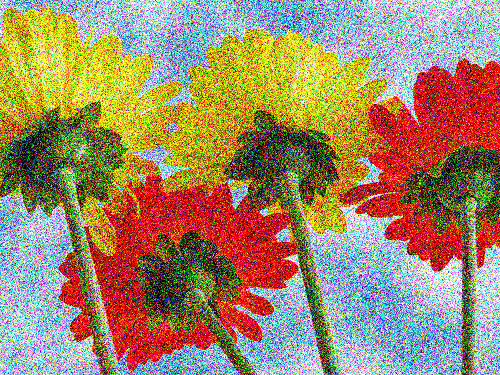
Our AI image noise reduction technology can address various types of noise,
including digital noise, grain, ISO noise, and compression artifacts. It's effective for improving
image
quality in low-light photos, reducing graininess, and enhancing overall image clarity.
How does AI image noise reduction work?
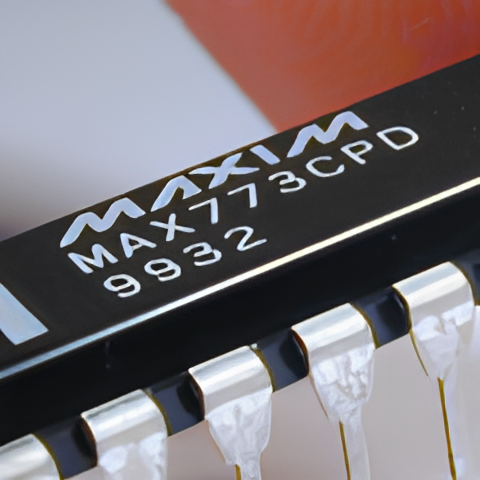
AI image noise reduction works by analyzing the input image, identifying
patterns of
noise, and then selectively removing or reducing those noise elements while preserving important
details
and textures. It uses advanced machine learning models trained on diverse image datasets to
distinguish
between noise and valuable image information.
Can AI remove JPEG artifacts from images?
Yes, our AI technology is capable of removing JPEG artifacts from images. It can
effectively reduce or eliminate compression artifacts, blocky patterns, and other distortions
commonly
associated with JPEG compression. This feature helps restore image quality and clarity, especially
for
images that have been heavily compressed.
Is it possible to reduce grain in photos using AI?
Our AI noise reduction system excels at reducing grain in photos. It can
effectively
minimize or remove grain caused by high ISO settings or low-light conditions, resulting in cleaner,
sharper images. This is particularly useful for improving the quality of photos taken in challenging
lighting situations.
Can AI noise reduction improve old or damaged photos?
Yes, our AI noise reduction technology can significantly improve the quality of
old
or damaged photos. It can help reduce noise, remove scratches and blemishes, and enhance overall
image
clarity. While it may not completely restore heavily damaged images, it can often provide
substantial
improvements to vintage or deteriorated photographs.